April 17, 2026
For many drivers across the U.S., the sight of a dashboard warning light or the sound of an unfamiliar rhythmic clicking under the hood can induce a sudden wave of anxiety. This reaction is understandable; a vehicle is often a person's second-largest financial investment, and maintaining its reliability is essential for daily life. However, the secret to avoiding the headache of unexpected mechanical failure is not found in reactive fixes, but in the discipline of prevention and receiving professional auto repairs before small issues escalate.
Understanding the "why" behind vehicle degradation allows owners to transition from a state of constant worry to a position of informed control. Most major mechanical catastrophes do not happen overnight; they are the result of microscopic wear and chemical breakdowns that occur over thousands of miles. By implementing a strategic approach to vehicle care and partnering with a specialized facility, you can effectively shield your bank account and your schedule from the disruption caused by extensive auto repairs.
Identifying the Major Categories of Failure
To prevent failure, one must first identify the most likely culprits. Data collection from across the industry provides a roadmap for where a vehicle is most vulnerable. According to ConsumerAffairs, the five primary areas where vehicles typically fail include the electrical system, the cooling system, the engine, the transmission, and various fuel-related components. By focusing your professional service visits on these specific sectors, you can mitigate the vast majority of risks that lead to a vehicle being sidelined.
Analyzing the Interconnectivity of Systems
A modern vehicle is a masterclass in interdependence. When one system underperforms, it places a secondary strain on others. For example, a failing cooling system does not just cause the engine to run hot; it can lead to the thinning of engine oil, which in turn causes premature wear on internal bearings. Receiving professional inspections for these linked systems helps reinforce the importance of a holistic maintenance strategy.
Maintaining the Cooling System
The cooling system is the primary line of defense against thermal destruction. Its job is to move heat away from the combustion chamber and dissipate it through the radiator. Over time, the chemical additives in the coolant that prevent corrosion begin to break down. This can lead to the formation of sludge or scale, which blocks the small passages in the radiator. Regular service visits ensure that a professional can check the pH balance of the fluid and identify leaks in hoses and gaskets before they cause an engine meltdown.
Replacing Thermostats and Water Pumps
The water pump acts as the heart of the cooling system, while the thermostat serves as the brain. If the thermostat sticks in the closed position, the engine can overheat within minutes, leading to warped cylinder heads. Professional technicians monitor these components for signs of weeping or erratic temperature readings, performing the necessary replacements before they lead to catastrophic auto repairs.
Protecting the Engine and Transmission
The engine is a collection of high-speed metal parts moving with incredible precision. Without a constant film of clean oil, friction would weld these parts together in a matter of seconds. Oil serves three primary functions: lubrication, cooling, and cleaning. As it circulates, it picks up microscopic metal shavings and carbon deposits. If these are not removed via a professional filter change, they act like sandpaper on internal engine surfaces. Adhering to a strict service schedule is the most effective way to prevent the most expensive types of engine failure.
Managing Transmission Fluid Health
While engine oil is widely discussed, transmission fluid is often neglected. The transmission transfers the engine's power to the wheels through a series of gears and clutches. In an automatic transmission, the fluid also serves as a hydraulic medium. If the fluid becomes burnt or contaminated, the transmission may begin to slip. Receiving a professional fluid flush and filter replacement ensures the gears shift smoothly and internal components remain protected under load.
Managing the Electrical System
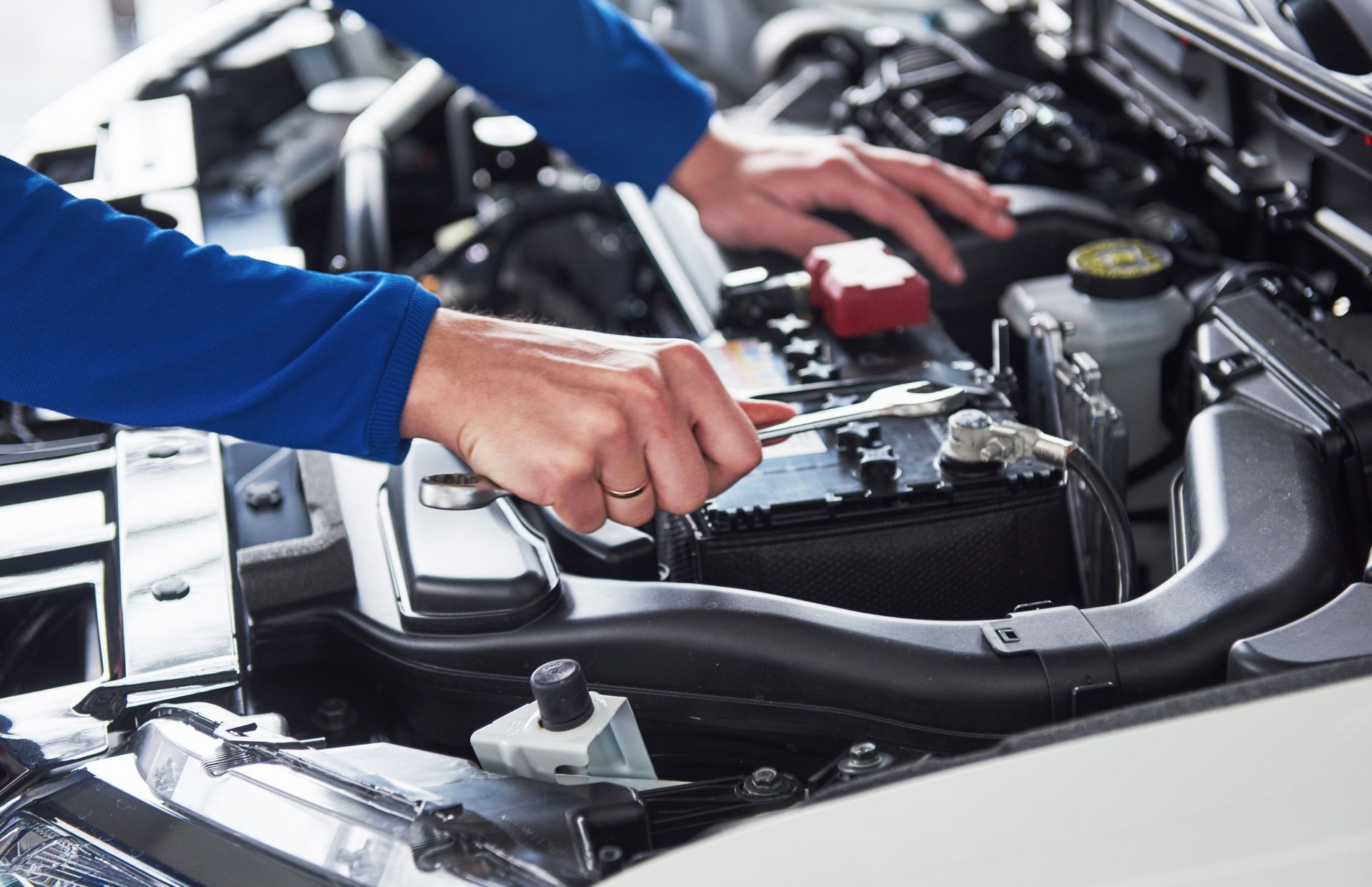
The electrical system is the nervous system of the vehicle. It starts with the battery, which provides the initial jolt to crank the engine, and continues with the alternator, which generates power while the car is running. Extreme temperatures—both summer heat and winter cold—are the enemies of battery chemistry. Having a professional perform a load test on your battery can predict its failure before you are left stranded. Similarly, a service technician can monitor the alternator's output to ensure sensitive computers receive a steady voltage.
Inspecting Wiring and Fuse Integrity
Modern cars are packed with sensors and miles of wiring. Vibrations from the road can occasionally loosen connections or cause wires to rub against metal surfaces, leading to shorts. While a blown fuse is a minor issue, it is often a symptom of a deeper electrical problem. A professional inspection of the wiring harness can identify these "rub points" before they cause a total system blackout, preventing complex and labor-intensive auto repairs down the line.
Optimizing Fuel and Exhaust Systems
The fuel system must deliver a precise mist of gasoline into the engine at exactly the right moment. If the fuel filter is clogged, the fuel pump must work harder, leading to its premature failure. Carbon deposits can also build up on the tips of the fuel injectors, disrupting the spray pattern. Professional fuel system cleaning removes these deposits, ensuring optimal fuel economy and preventing the lean conditions that can damage engine valves.
Monitoring Exhaust and Emissions Components
The exhaust system treats toxic gases through the catalytic converter and monitors oxygen levels via sensors. If an engine is running poorly, it can clog the catalytic converter with unburnt fuel. This part is incredibly expensive to replace. Ensuring that your oxygen sensors are functioning correctly through regular service helps the engine computer maintain the perfect air-fuel ratio, protecting your emissions equipment and your wallet.
Monitoring Tire and Suspension Health
Tires are the only part of your vehicle that actually touches the road. If they are not rotated regularly by a professional, the front tires will wear out much faster than the rears. Uneven wear doesn't just shorten the life of the tire; it can cause vibrations that damage wheel bearings and suspension bushings. Professional rotation ensures the tire tread wears down at a uniform rate across all four corners.
Aligning the Suspension and Steering
A vehicle's alignment refers to the precise angles at which the tires are set. Potholes and curbs can easily knock these angles out of specification. If the car pulls to one side, it is a sign that the suspension is fighting against itself. This creates heat and friction, wearing out expensive steering components. Regular alignment service keeps the vehicle tracking straight and true, reducing the overall strain on the chassis and preventing premature tire replacement.
Choosing the Right Service Partner
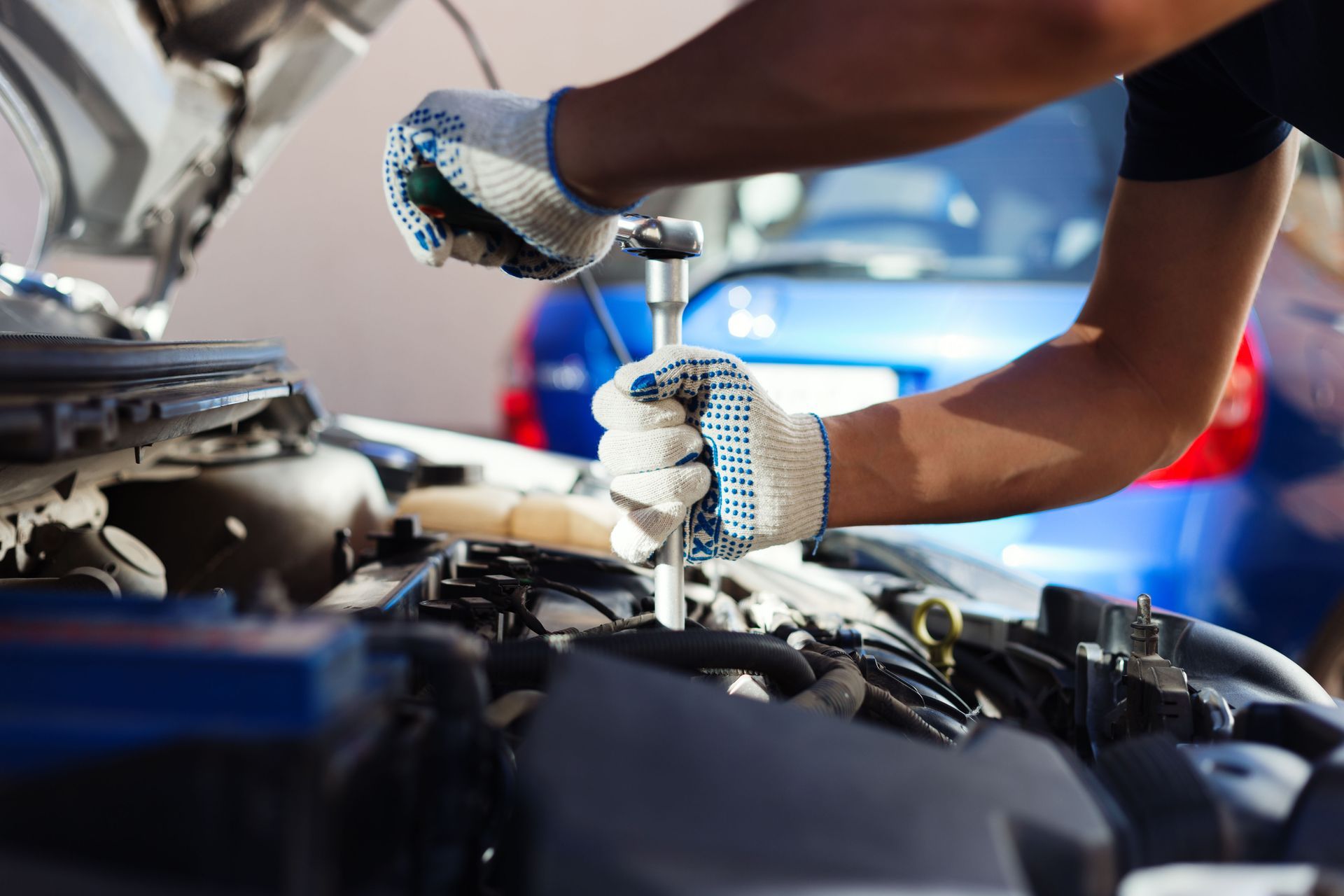
While some minor checks can be done at a glance, the complexity of modern vehicles requires a professional eye. Skilled technicians have the diagnostic computers and specialized tools necessary to see inside your car's systems. They can identify the early signs of a leaking water pump or a slipping transmission long before the driver notices a change. Finding a consistent service provider allows for a longitudinal view of your car's health; they get to know your vehicle's specific quirks and history, providing specialized care that prevents common auto repairs.
Protecting your vehicle requires a team of experts who understand the nuances of modern engineering. When you are ready to ensure your car stays in peak condition and avoids the pitfalls of neglected maintenance, our team is here to provide the detailed care your vehicle deserves. Visit P1 Autoworks to schedule your comprehensive inspection and stay ahead of any potential auto repairs.